
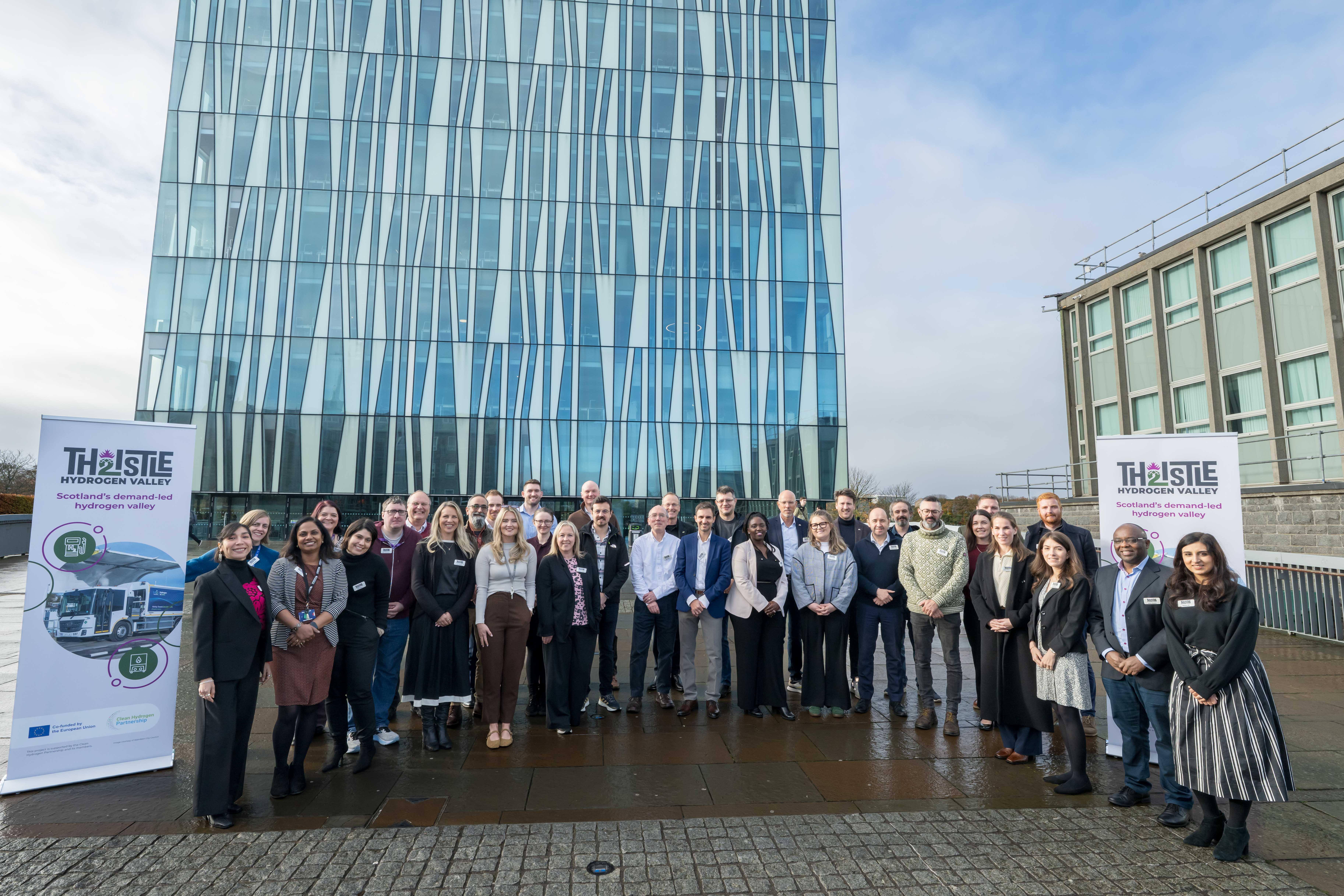
Energy Transition Norway joins 9 MEUR hydrogen project in Scotland
The TH2ISTLE project aims to develop a regional hydrogen network and strengthen cooperation across the North Sea.
This startup is bringing the recycling plant to the wind turbine.



Wind power is an important part of the energy transition. But what happens to the enormous turbine blades when they reach the end of their working lives? Stavanger-based startup BladeShip believes the solution is to move the recycling plant to the blades, rather than the other way around.
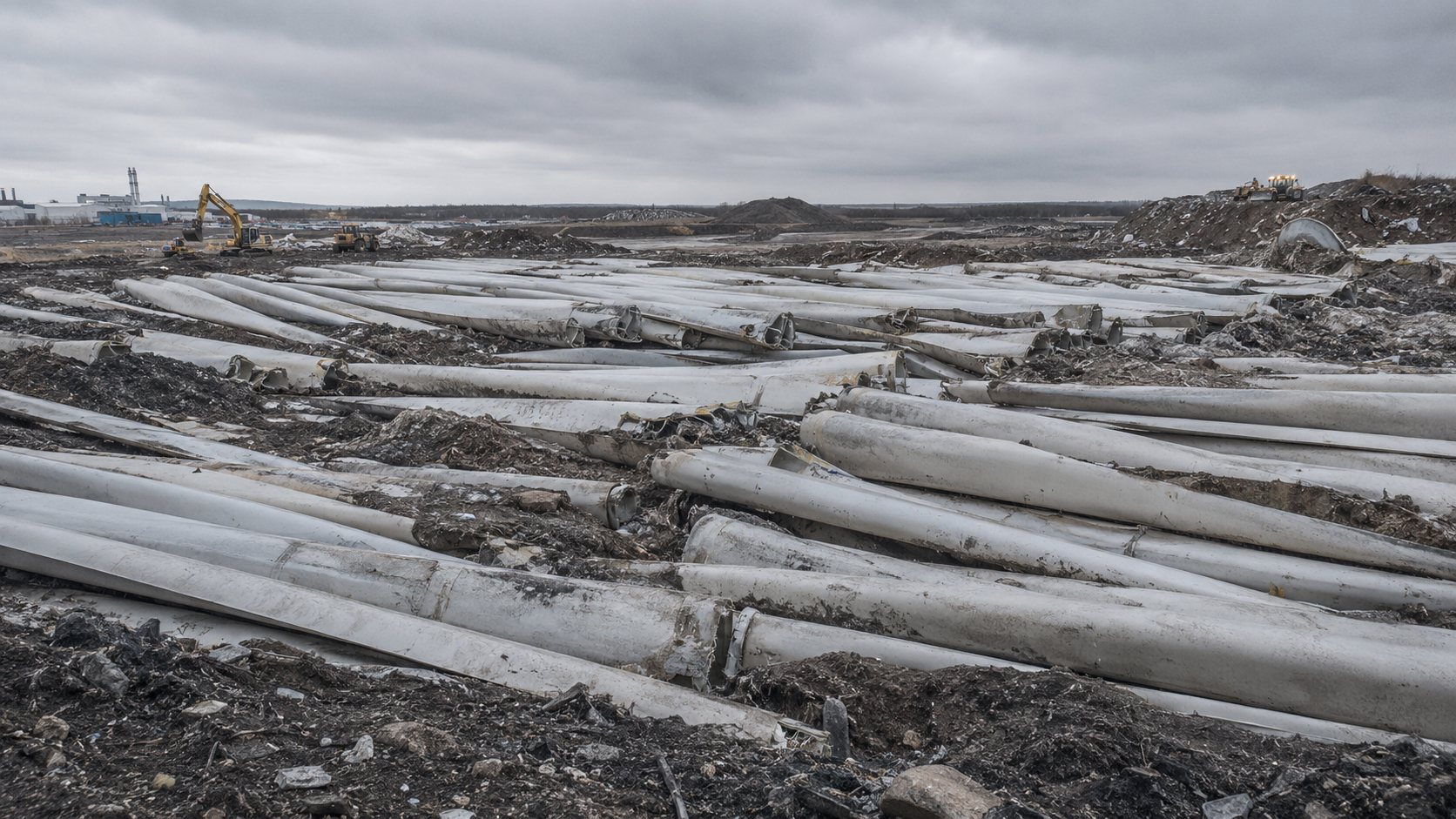
After 20–25 years of operation, wind turbine blades eventually need to be replaced or decommissioned. Made primarily from composite materials, they are notoriously difficult and expensive to recycle.
The problem is not necessarily the material itself, but the logistics. Turbine blades can be more than 100 metres long, making them extremely difficult to transport. They must be dismantled, cut into manageable sections and transported to facilities for further processing or disposal.
As more wind farms reach the end of their operational lives, the volume of decommissioned blades is expected to increase significantly.
For BladeShip founder Leif Sunde, the solution starts with a simple question: Why transport enormous turbine blades to a recycling facility when you could bring the facility to the blades?
He draws inspiration from the fishing industry, where factory vessels process fish at sea rather than transporting the entire catch to land-based factories.
Sunde believes the same principle could be applied to wind turbine blades.
BladeShip is developing a mobile, barge-based processing system that can turn decommissioned turbine blades into clean, graded glass fibre granulate, ready for further use.
The first step is a processing barge stationed at ports where blades are brought ashore. The long-term ambition is to develop a larger vessel capable of processing blades directly at offshore wind farms.
The main innovation lies in the mobility of the solution. Rather than transporting large blade sections over long distances, the processing equipment can be relocated to wherever the blades are.
Sunde has worked as a rigger in the offshore industry, and his practical experience has shaped the development of BladeShip.
– The hard part is not grinding glass fibre. It is doing it where the blades happen to be, and then moving on to the next site, Sunde says.
The company is currently in the concept development and risk-reduction phase. A first grinding trial on real turbine blade material is planned for early 2027.
The ambition is to demonstrate the technology on a barge before eventually developing a larger offshore processing vessel.
The need for better end-of-life solutions is becoming increasingly urgent.
The European wind industry has introduced a voluntary landfill ban for turbine blades from 2026, while several European countries have already introduced national restrictions.
BladeShip’s ambition is to solve a specific but increasingly important challenge in the energy transition: making the final stage of a wind turbine blade's life more efficient and sustainable.
– The hope is to build the barge first, to prove the concept. The dream is to build the large vessel, that is what this is ultimately for, Sunde says.
Email: www.bladeship.no
Web: leif@bladeship.no