.png)
ETN welcomes five new cluster members
New members bring expertise across energy storage, recycling, engineering, offshore renewables and well technology
ETN joins COMMIT project partners in Badajoz, Spain.

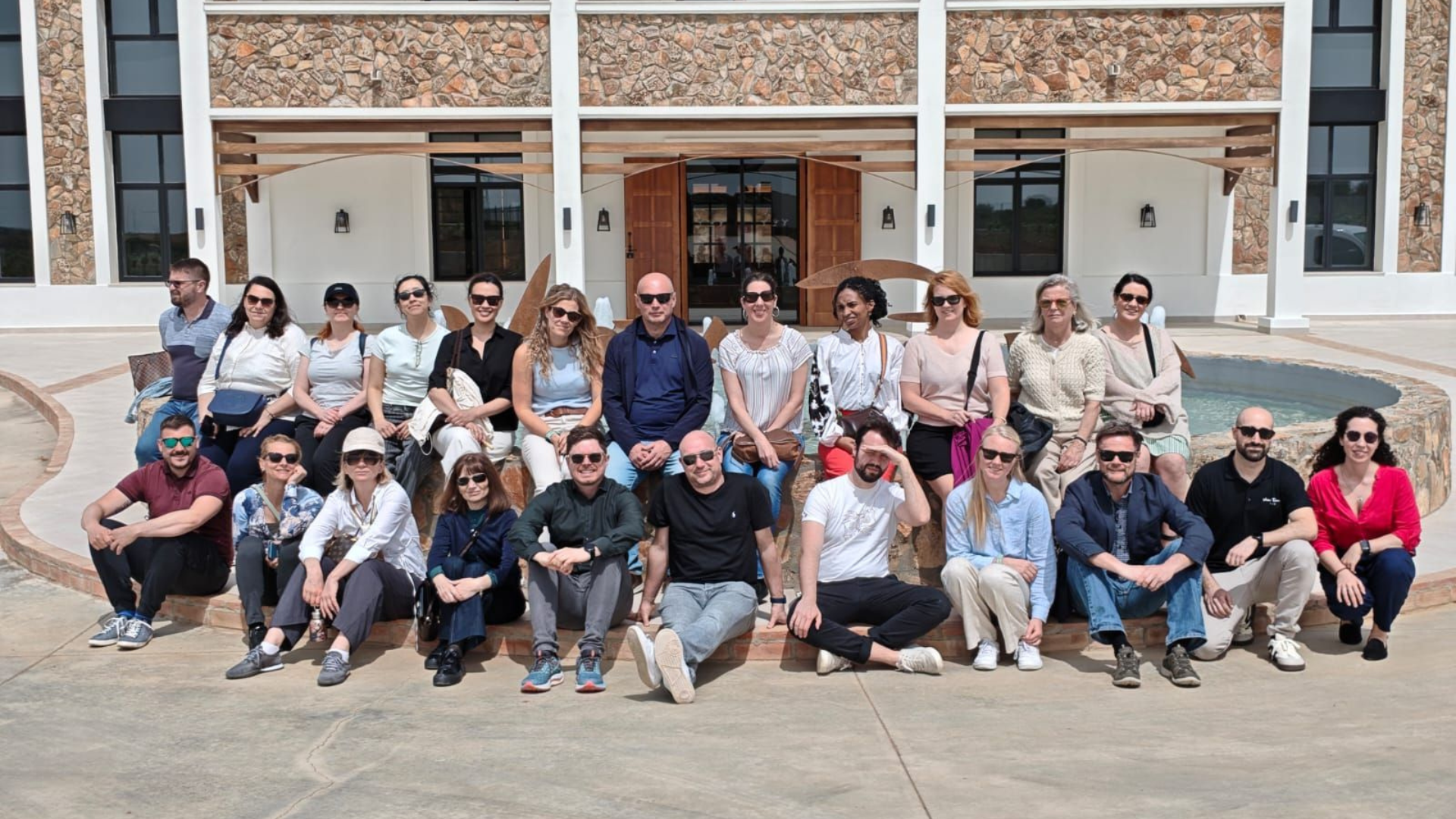

How well-equipped are European SMEs to navigate the low-carbon transition? And what does it take to make innovation ecosystems work for the businesses that need them most? These were among the questions on the table when ETN joined its COMMIT partners in Badajoz, Spain, for the project's latest partner meeting.
Hosted by AGENEX, the Extremadura Energy Agency, the meeting brought together partners from seven European regions to share findings from this semester's work. The focus was on mapping SMEs' access to innovation and technology across the participating regions — looking at where progress is being made and where barriers remain.
The findings painted a varied picture. Maturity levels differ significantly between regions, and innovation ecosystems across Europe remain fragmented and difficult for smaller businesses to navigate. A key takeaway from the discussions: intermediary actors — organisations that sit between policy, research and industry — play a critical role in helping SMEs identify relevant technologies and move forward with adoption. Clusters like ETN are well placed to fill that role.
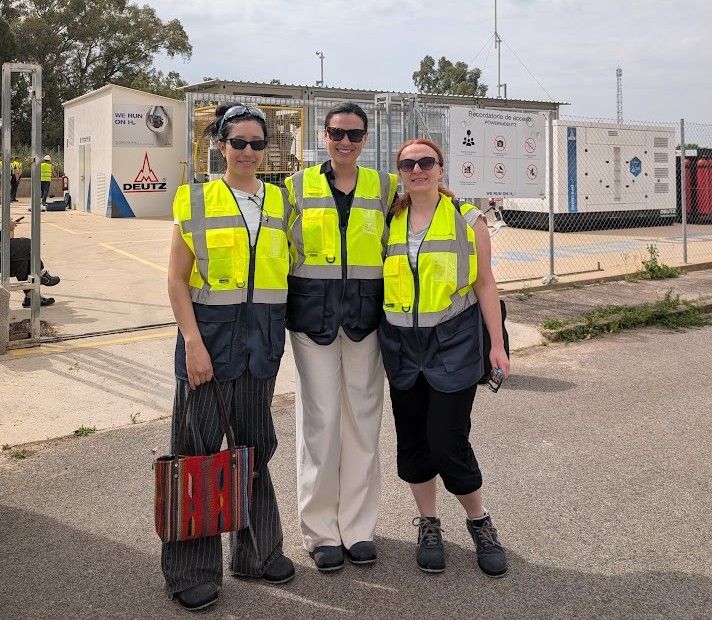
ETN was represented by Margie Maria Gonzalez, alongside Helene Tråsavik from Rogaland County Council and guest stakeholder Klaudia Tolstow from Dalane Energi, who contributed an industry perspective to the discussions.
COMMIT is a European Interreg project bringing together regional authorities and cluster organisations across eight countries to strengthen support ecosystems for SMEs navigating the green transition. The project addresses four key areas: information and knowledge, innovation and technology, finance, and skills. This semester's focus is on access to technology and innovation.