.png)
ETN welcomes five new cluster members
New members bring expertise across energy storage, recycling, engineering, offshore renewables and well technology
RENOVATE project holds kick-off meeting with partners

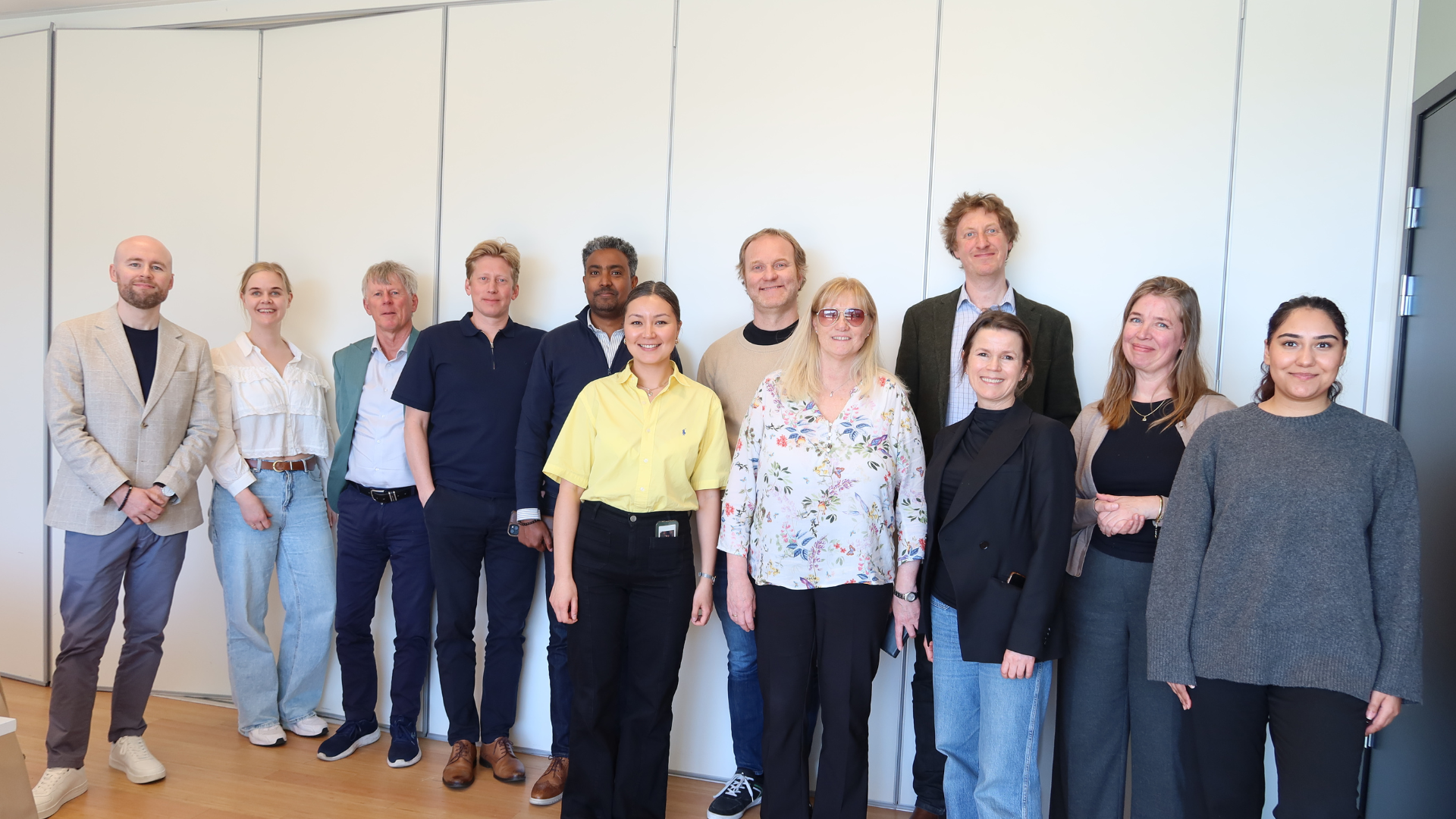

The RENOVATE research project held its kick-off meeting with partners last week. Representatives from the University of Stavanger (UiS), NORCE, Agder County Council, Rogaland County Council, Fagskolen i Agder, and Fagskolen Rogaland. The project, led by NORCE, explores how the energy transition affects regions with significant dependence on oil and gas — and what it takes to adapt.
Building the Evidence Base
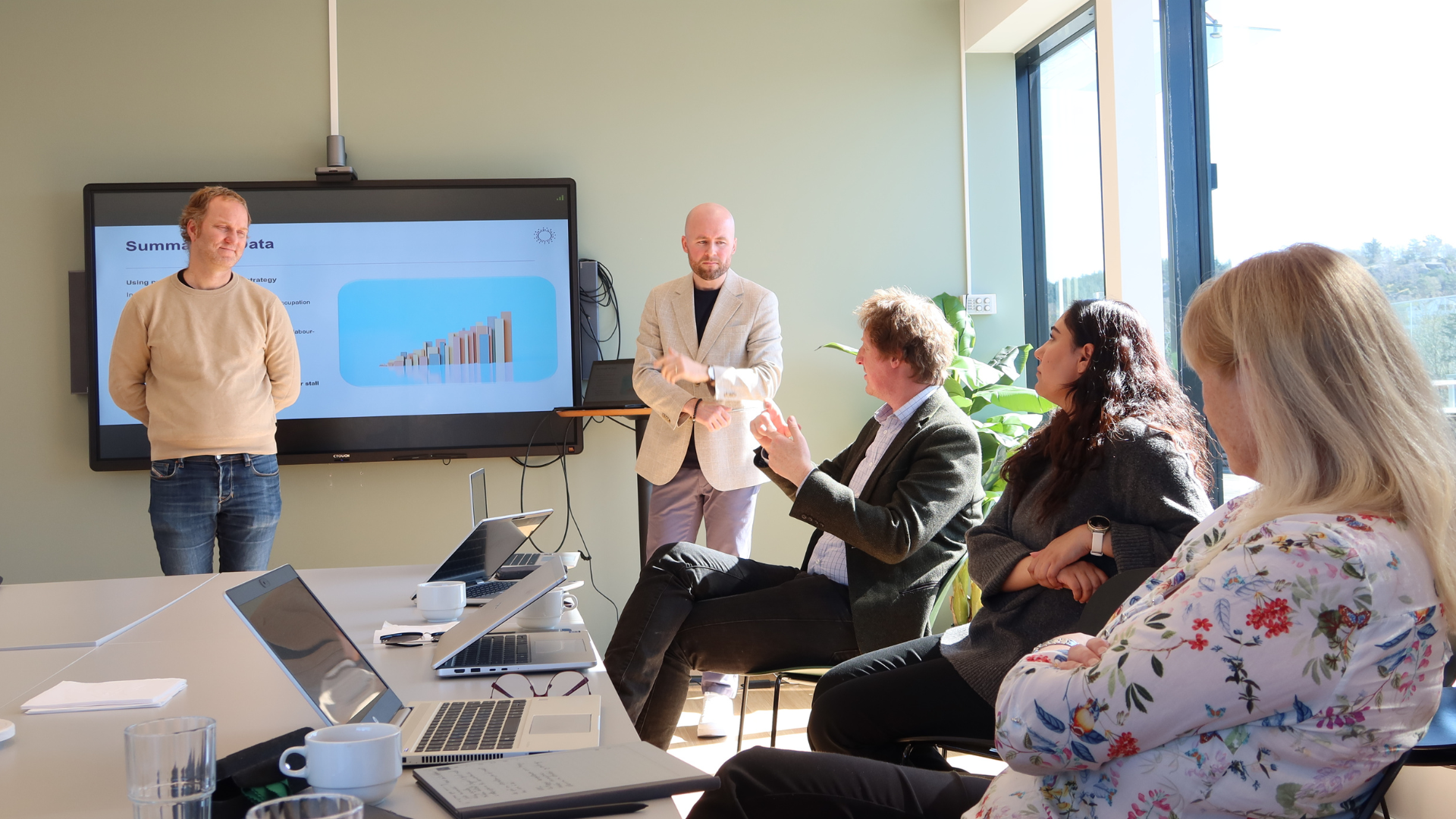
A substantial part of the kick-off was dedicated to presenting the research methods and data underpinning the project. Rune Fitjar from UiS outlined plans for work packages which focus on building detailed datasets covering skill supply, skill demand, and public investment across Norwegian regions.
Jason Deegan from NORCE expanded on the skill demand side, presenting findings from related research on how green and digital skills diffuse through regional labour markets. Using four million job postings collected over twenty years, the work examines which sectors first signal demand for new skills, and how those signals spread to other employers in the region.
Deegan also presented work on the Regional Energy Transition Vulnerability Index (RET-VI), a tool being developed to help identify which regions face the greatest exposure to transition risks. A core ambition of this work is to build something that is actually used in practice, rather than a tool that receives initial interest and is then set aside. To that end, the team has been interviewing regional planners to understand how similar tools enter — or fail to enter — planning and strategy processes.
Regional Perspectives
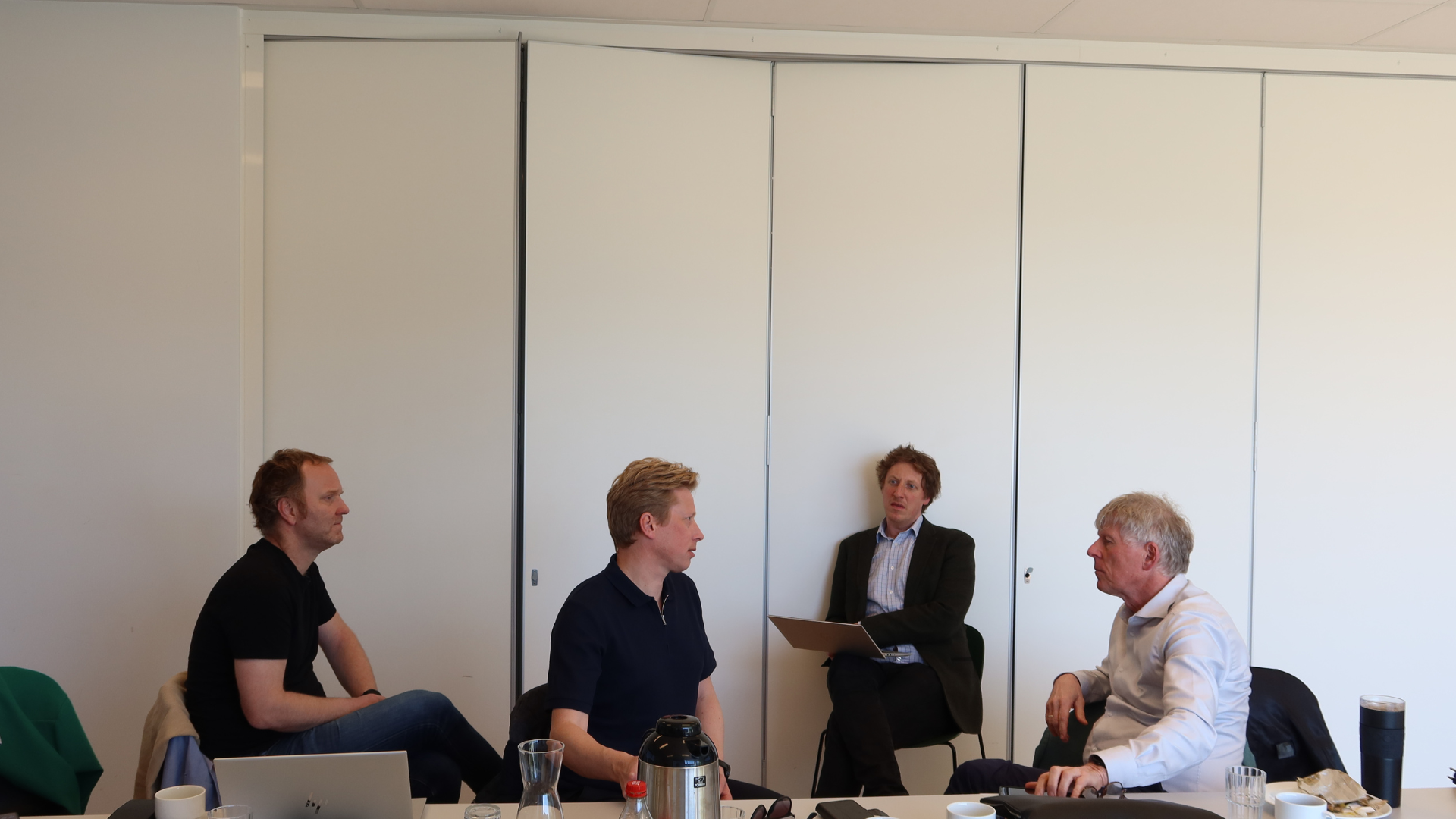
The kick-off included a review of how the energy transition is playing out in the three focus regions — Rogaland, Vestland, and Agder. Rogaland was described as among the most exposed regions in Norway due to its high dependency on petroleum. The analysis identified a range of structural challenges, including insufficient grid capacity, slow adaptation in education and skills systems, and limited coordination across governance levels. At the same time, the region's industrial base, technical competence, and existing infrastructure were noted as assets for diversification into areas such as offshore wind, hydrogen, and CCUS.
Similar patterns were identified in the other regions, with recurring barriers including gaps between education, research, and industry; a lack of experience in piloting and scaling new technologies; and the need for clearer, more coordinated policy frameworks.
What Comes Next
Partners shared their expectations for the project, as well as the areas where they see most potential for the research to contribute. A common theme was the value of having a shared evidence base that regional authorities, educational institutions, and industry can draw on when developing strategies and plans. Several partners noted that knowing which questions to ask of the data — and how to integrate findings into existing planning processes — will be as important as the data itself.

RENOVATE aims to deliver practical tools and policy recommendations that support a just and inclusive energy transition — one where regions dependent on oil and gas are not left behind, but can adapt in a resilient way. The project will produce a Regional Energy Transition Vulnerability Index, regional adaptation strategies, and a set of policy frameworks co-created with industry and public actors. The project is funded by the Research Council of Norway.
Project partners include NORCE, the University of Stavanger, Haugaland Vekst IKS, Maritime Cleantech, Fagskolen Rogaland, Rogaland County Council, Fagskolen i Agder, Agder County Council, Agdering, and Energy Transition Norway.
ETN participates in RENOVATE as a collaborating partner, representing industry perspectives through the cluster network, connecting researchers with member companies and real-world challenges. ETN's role is to help ensure that the research findings are relevant and usable for industry.